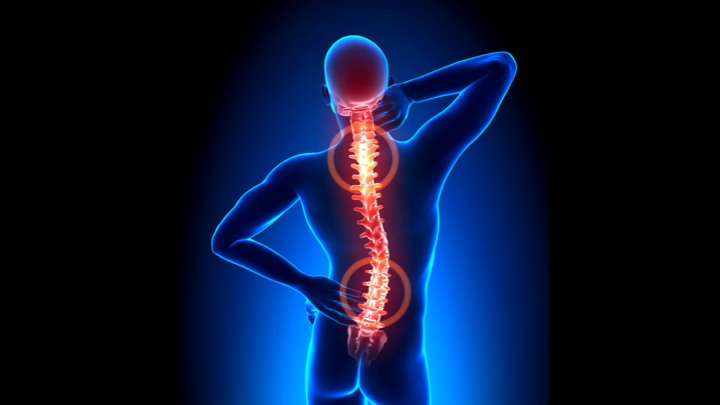
Pain in the decreased left lower back could originate from the underlying muscle tissues, joints, mid-back, or organs within the pelvic location. Muscle injuries and kidney pain are a number of the maximum common resources of one-sided decreased backache.
Back pain may be very common, and there are many viable causes. The genuine place of the pain is a key indicator of its purpose. Left-sided organ pain can also originate from the kidneys, pancreas, colon, or uterus.
Lower left backache or left flank ache refers to an ache inside the vicinity above the hip or buttocks. People can also experience a sharp pain below the skin or a dull ache in the back, depending on the cause.
This article discusses some of the maximum common reasons for pain in the lower-left area of the returned.
Muscle or tissue harm
In most instances, decreased lower back pain comes from a tissue injury. This ought to contain the muscle mass, bones, and ligaments in the lower back, spine, and surrounding areas. Injuries in a single region can radiate out to different areas of the back.
Tissue harm pain is generally principal. However, it can arise to the left or right of the backbone.
According to the American Association of Neurological Surgeons, lower returned lines are the most common, the usual purpose of decreased returned pain, and Penn Medicine says that muscle lines are the most common cause of one-sided decreased back pain.
Muscle stress in the lower left returns while the muscle fibers overstretch, main to inflammation.
In addition to pain inside the decreased lower back, symptoms can also include:
a limited variety of motion
muscle spasms

stiffness

An ache that may get worse when getting out of bed
Heavy lifting, twisting, or a fall can cause muscle pressure. Poor posture or sitting in a clumsy position for too long can also cause pain in one aspect of the decrease back.
Slipped disk
A slipped disk, also known as a herniated disk, can cause aches to radiate from the lower spine to at least one side of the back.
Small disks cushion the bones within the spine. Each disk has a firm out of doors, referred to as the annulus fibrosus, and a soft material internal, known as the nucleus pulposus. A slipped disk involves fragments of the nucleus pushing through a weakness or tears in the outer layer of the disk, which then press on the nerves.
Kidney infection
A kidney infection can cause a dull, aching pain in one part of the lower again. Kidney infections are generally caused by bacteria that infect the bladder and then travel as much as the kidneys.
Other signs and symptoms of kidney contamination include:
- foul-smelling urine
- dark, cloudy, or bloody urine
- fever
- chills
- nausea and vomiting
- Common, painful urination
Adults over sixty-five won’t experience these signs. However, they may revel in problems consisting of:
- confusion
- jumbled speech
- hallucinations
Learn to tell the difference between kidney pain and a headache right here.